Impact without Impact
Bridge Strike Detection
Britain has the world’s oldest railway network. Many bridges and tunnels were designed by early Victorian engineers and built only as high and wide as was needed for the smaller locomotives and carriages of the time. Those tight clearances still shape today’s operations, particularly where modern high-sided vehicles strike low bridges. That legacy can turn a simple misjudgement into both a road and railway issue. Not every strike is immediately obvious: drivers may feel only a minor bump, and bridge owners can remain unaware an impact has occurred. Where damage is more serious, delayed awareness can have a knock-on effect across the wider railway network.
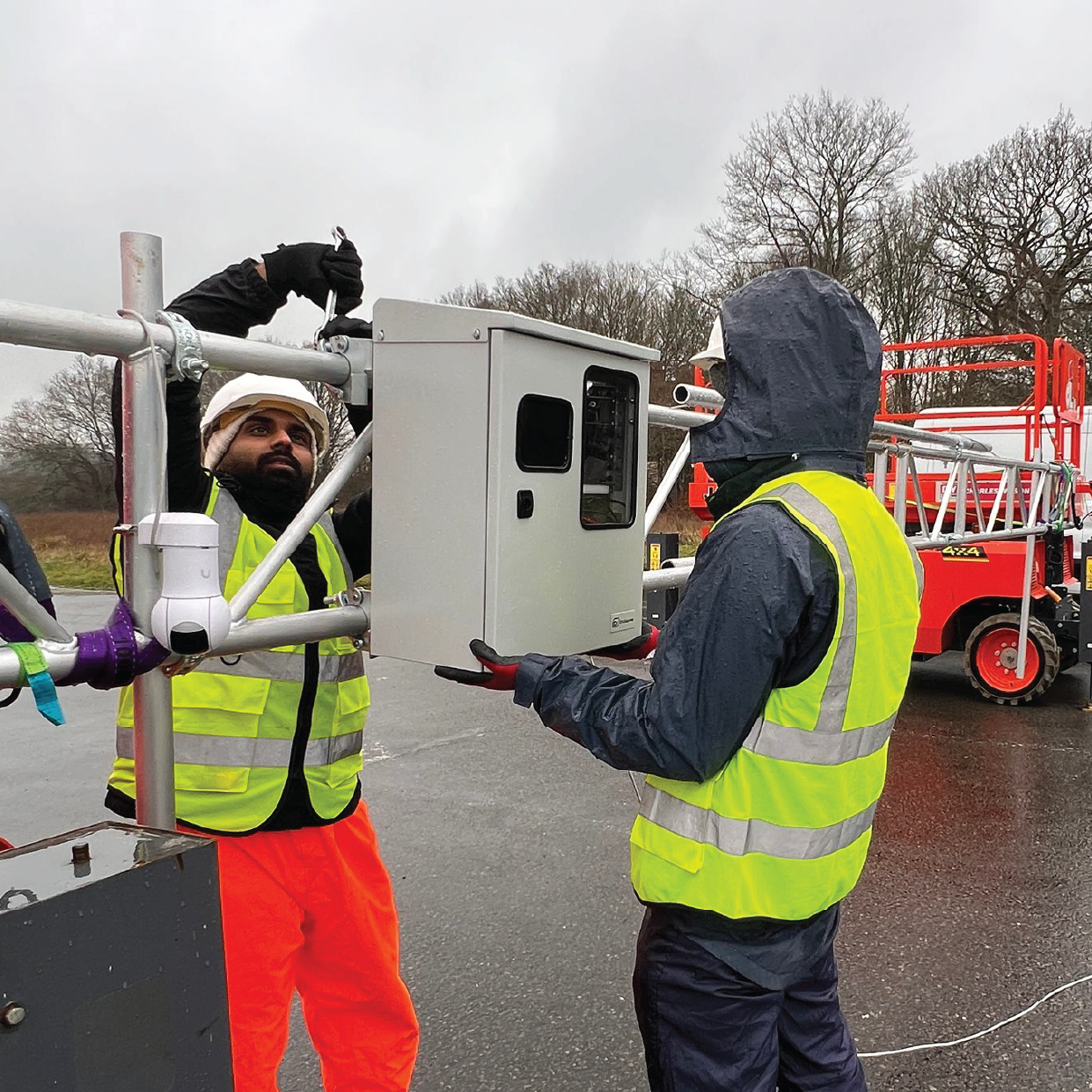
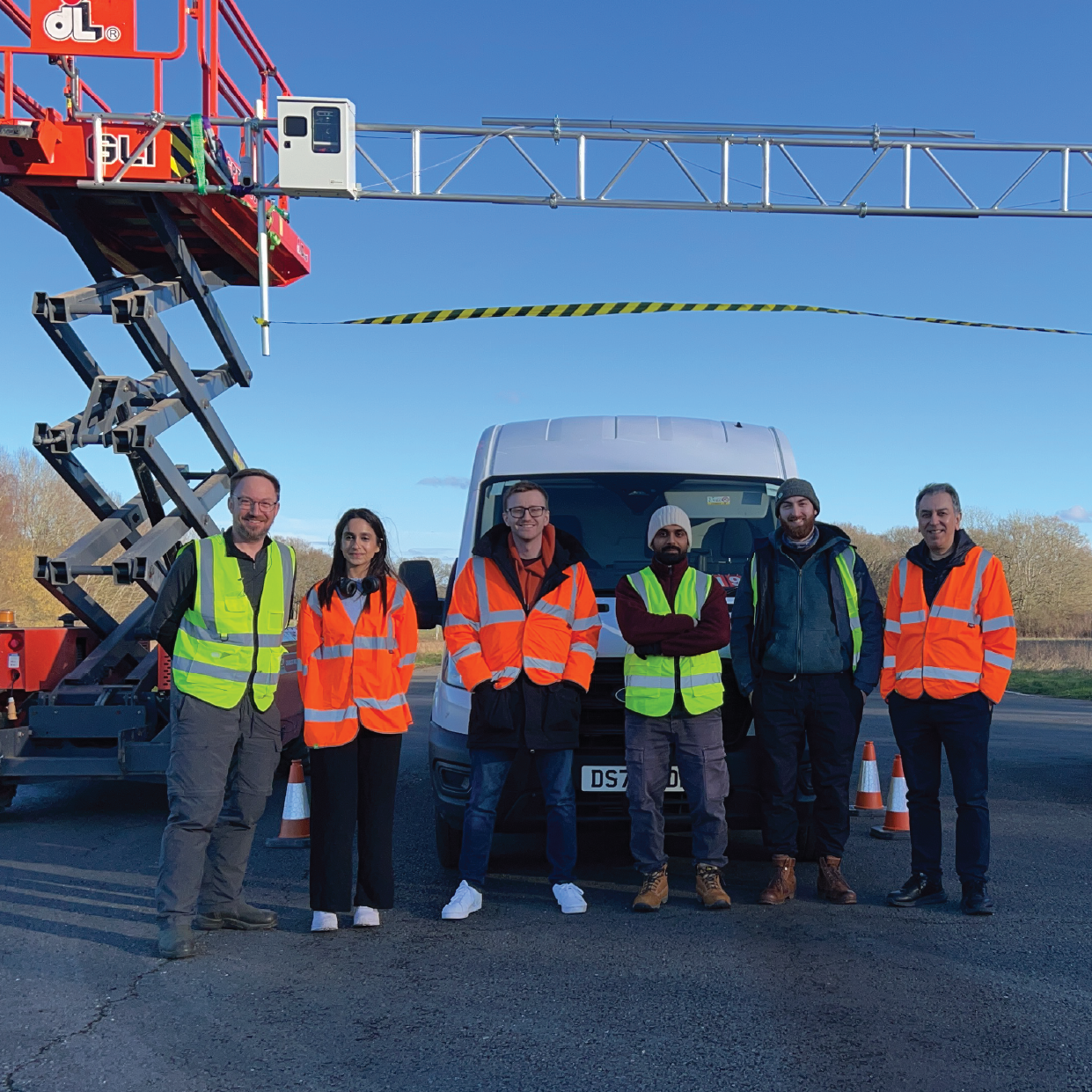
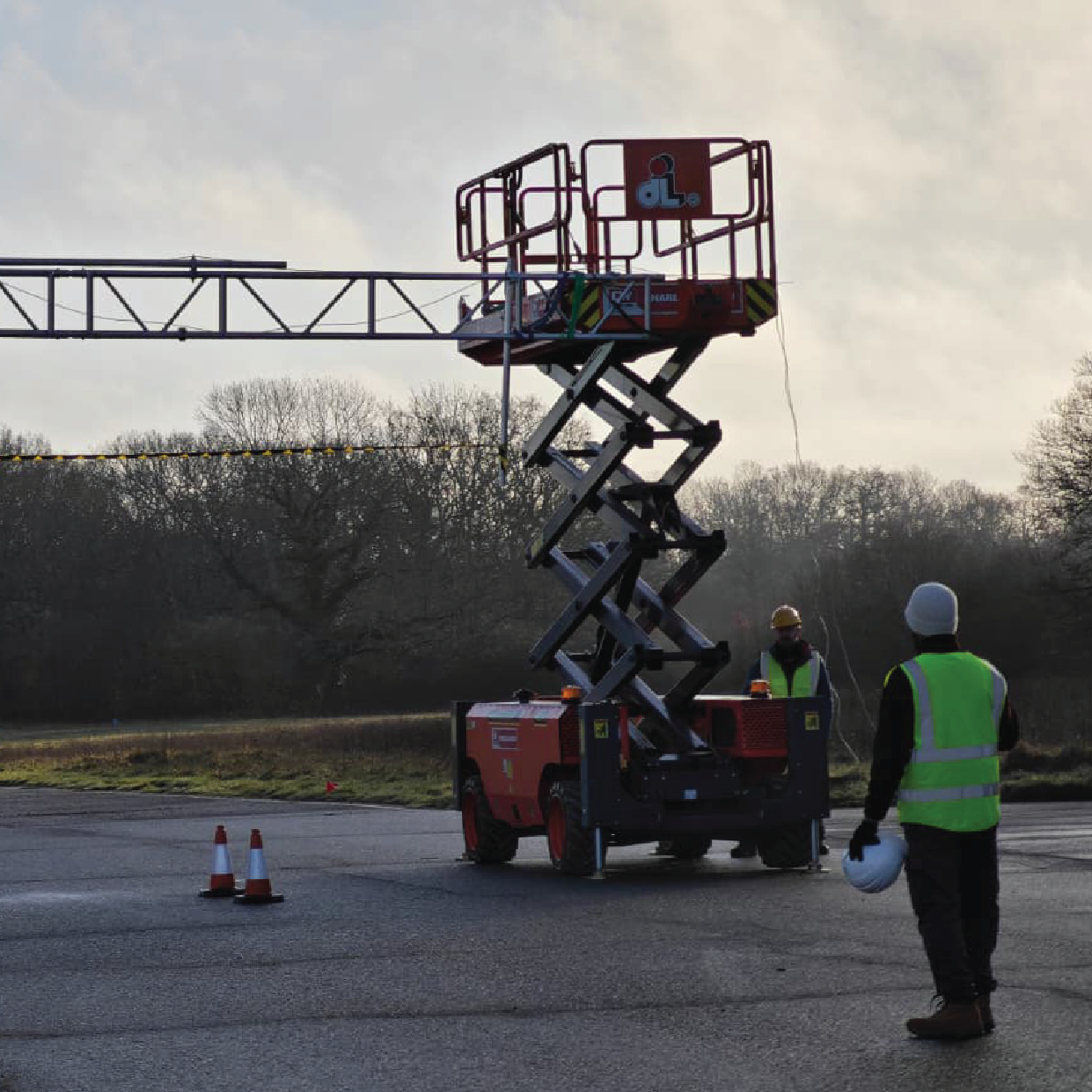
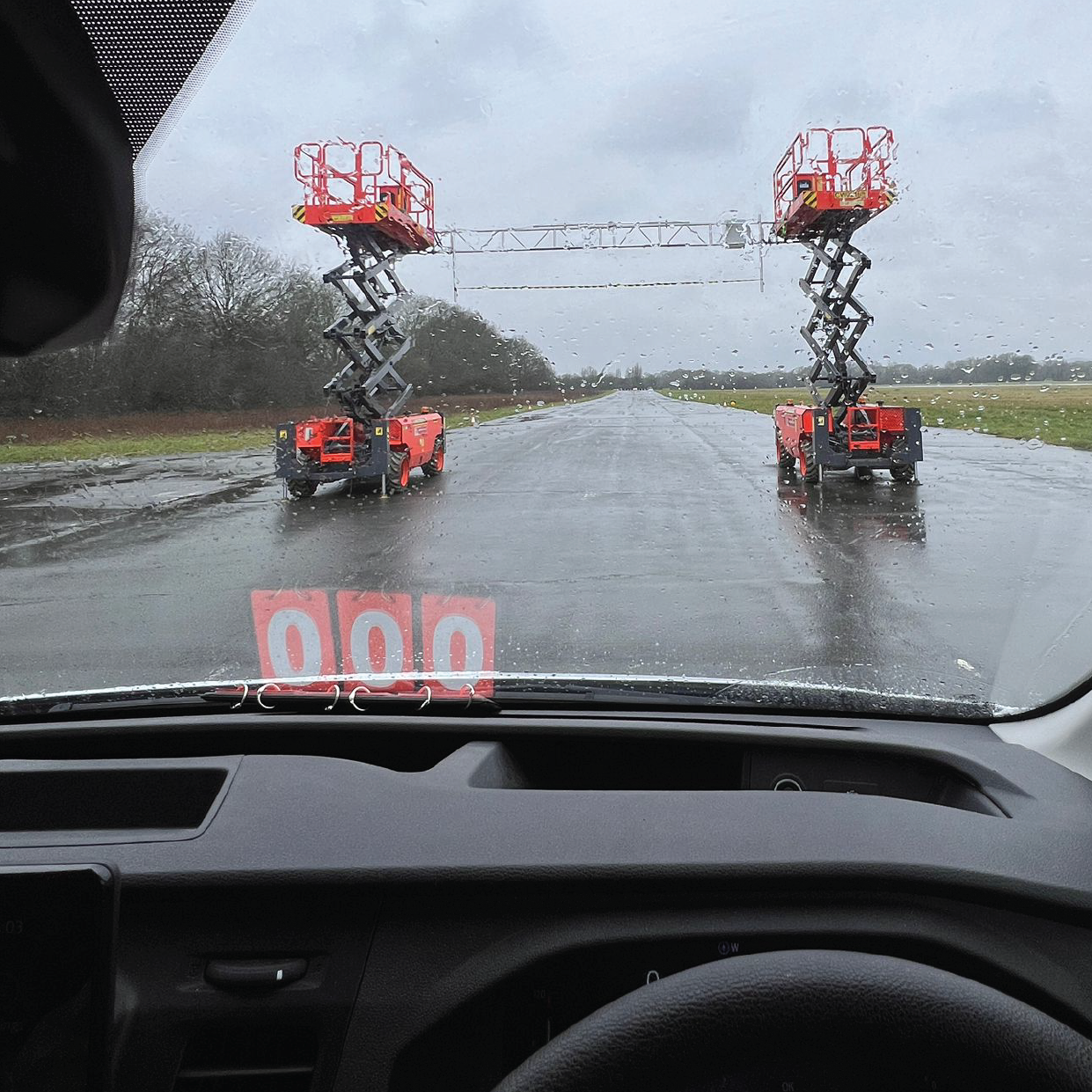
Sensing Feeling, a long-standing JNDC client specialising in AI-driven visual data processing, asked us to help translate their core technology into a practical system for the rail environment. Over a focused development period, we designed and built a working demonstrator capable of capturing and post-processing visual data to identify potential bridge strikes. JNDC designed the testing, arranged access to a local test track, and went about designing and building a temporary structure to mount the system onto.
The demonstrator has now provided a platform for the next round of testing, building confidence ahead of wider deployment, and supporting the wider aim of reducing the time and cost involved in detecting incidents and organising inspections and repairs.